
El Born vs La Barceloneta Which Waterfront Neighbourhood?
El Born and La Barceloneta are the two neighbouring quarters of Barcelona's old port district, and choosing between them is one of the most common decisions a visitor makes. They are a 10–15 minute walk apart, so many people split their stay between them — but they offer genuinely different experiences. El Born is the medieval lane of design shops, cava bars and tapas rooms; La Barceloneta is the fishing quarter turned beachfront, all seafood restaurants, promenade and sea air. This guide compares them on the factors that matter most when you book.
At a glance: the average hotel in El Born runs around €180 per night, compared with roughly €160 per night in La Barceloneta (2026 figures). That €20 difference is modest, but it is real — and it is only one of several trade-offs worth weighing before you commit to either side.
Atmosphere and Character
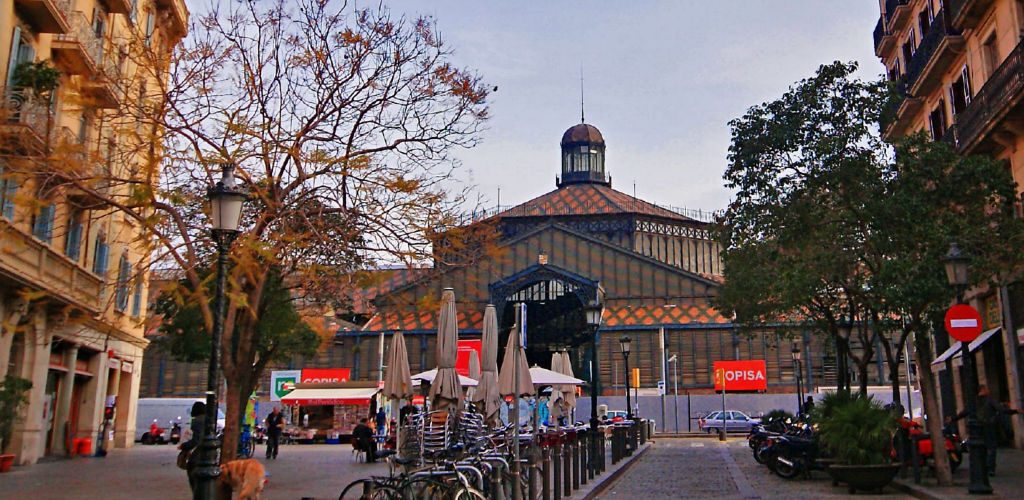
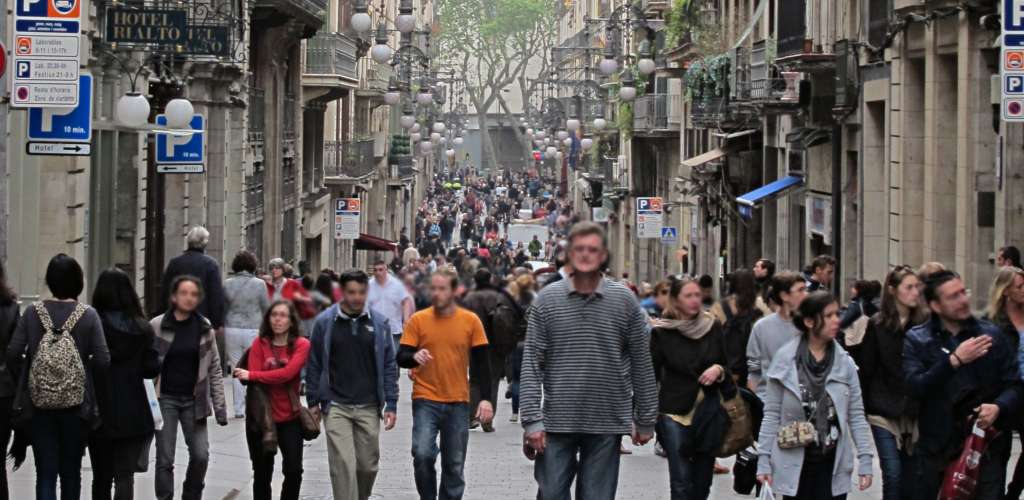
El Born is the younger, trendier of the two. It is a former manufacturing and port district regenerated into a cultural quarter: narrow lanes lined with design shops, art galleries, craft coffee and tapas bars. The Mercat del Born and the Picasso Museum anchor its identity, and the Passeig del Born is a wide, tree-lined promenade that fills with locals and visitors in the evenings. It feels bohemian and relaxed, with a food-and-drink scene that leans modern. Inside the quarter itself the nightlife is bar-led — a crawl, not a single room.
La Barceloneta is the old fishing quarter, squeezed between the port and the beach. Its streets are narrower and more working-class in origin, and its atmosphere is defined by the sea: the smell of grilled fish, the promenade along the sand, the fishing boats still moored in the port. It is more tourist-dense in summer and more relaxed year-round than El Born, and it has none of the medieval history that defines the neighbouring quarter. For visitors who want the beach at their doorstep, it is hard to beat.
Think of it this way: El Born is where you go to eat and drink well; La Barceloneta is where you go to feel the water. The two are close enough that staying in either and visiting the other is entirely practical — so the decision is really about where you want to return to at the end of the day.
Accommodation Cost
The headline figure: El Born averages about €180 per night for hotels, against about €160 per night in La Barceloneta (2026). El Born is the pricier of the two by roughly €20 a night — modest on a per-night basis, but meaningful over a week-long stay.
El Born's premium comes from its concentration of boutique hotels, guesthouses and apartments in a tightly bounded historic quarter. La Barceloneta's inventory skews toward mid-range and beach-adjacent properties, and you get more space and sea view for less. Both sit in Ciutat Vella, and both carry Barcelona's tourist tax — €6–€12 per person per night depending on category (€8.40 four-star, €12 five-star; from April 2026), added at checkout and separate from the room rate.
Food and Drink
El Born owns the serious dining. Its bar scene — from standing-room tapas counters to late-night wine bars — is the city's most animated, and the Passeig del Born stays lively well past midnight. The dining skews contemporary: tasting menus, natural wine, chef-led counter service. It is the neighbourhood people choose when they want a night out that feels current and social. The quarter also has the grand old paella house, 7 Portes (since 1836), on its waterfront edge.
La Barceloneta is Barcelona's seafood capital. Its restaurants specialise in grilled fish, arroz negro (squid-ink rice), paella and the local bomba — a deep-fried potato ball stuffed with meat and aioli, invented in this quarter at La Cova Fumada. The dining here is more relaxed and more tourist-facing than El Born, and the best tables are the ones with a view. For a traditional Catalan seafood lunch with the sea in front of you, La Barceloneta has the edge; for a buzzing, contemporary bar crawl, El Born wins.
Sights and Culture
El Born is the clear winner for cultural sightseeing, and the margin is large. Within walking distance sit the Picasso Museum (€14 online, Tue–Sun, free Thursday evenings in winter and the first Sunday of the month), the El Born. Barcelona History Museum inside the Mercat del Born (about €3, free building entry), the Basilica of Santa Maria del Mar (€8 cultural visit, free in the evenings), and the medieval streets of the quarter itself. You can spend two full days here without repeating yourself.
La Barceloneta's sights are maritime rather than monumental: the Port Vell marina, the Barceloneta beach, and the W Hotel rooftop. It has no museums of its own, but it is the launch point for harbour cruises and the cable car to Montjuïc. For a visitor who wants culture, El Born is the stronger base; for one who wants the sea, La Barceloneta delivers daily.
The Beach
This is the single biggest practical difference between the two. La Barceloneta has the beach at its doorstep — a 10–15 minute walk from the heart of the quarter to the sand, and the promenade runs for kilometres. El Born is about 15 minutes' walk from the same beach, through the port, and it is not a beach neighbourhood in character. If a morning swim or an evening walk along the water matters to your trip, that alone can decide the question.
Transport and Getting Around
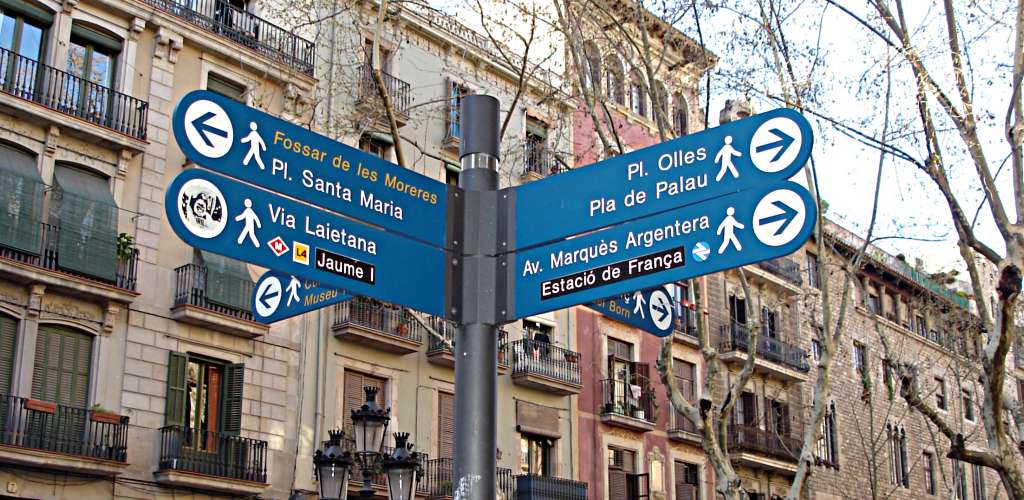
Both quarters sit on Barcelona Metro Line 4 (the yellow line): Jaume I serves El Born, Barceloneta serves La Barceloneta, one stop apart. Line 4 runs 05:00–midnight Mon–Thu, until 02:00 Fri, 24h Sat, and 05:00–midnight Sun (Saturday runs continuously into Sunday). A single metro ticket costs €2.90 in 2026; the T-Casual 10-journey card costs €13 and is the better value for anything more than a couple of rides. Both quarters are also walkable to the Gothic Quarter, the Columbus Monument and the port.
The Verdict
Choose El Born if you want a trendier, food-and-drink-led base, stronger cultural sights, and are willing to pay about €20 more a night (roughly €180 vs La Barceloneta's €160) for it. It suits couples, foodies and repeat visitors who care more about atmosphere and restaurants than monuments or the sea.
Choose La Barceloneta if you want the beach on your doorstep, seafood lunches with a view, and a slightly lower hotel price — about €160 per night. It suits first-time visitors who want the waterfront, families who want space and a relaxed pace, and anyone for whom the sea is the point of the trip.
Whichever you pick, the two neighbourhoods are a short walk apart, and staying in one while visiting the other is entirely practical — so the decision is really about where you want to return to at the end of the day.
Related: El Born vs the Gothic Quarter.