
Things to do
Walking
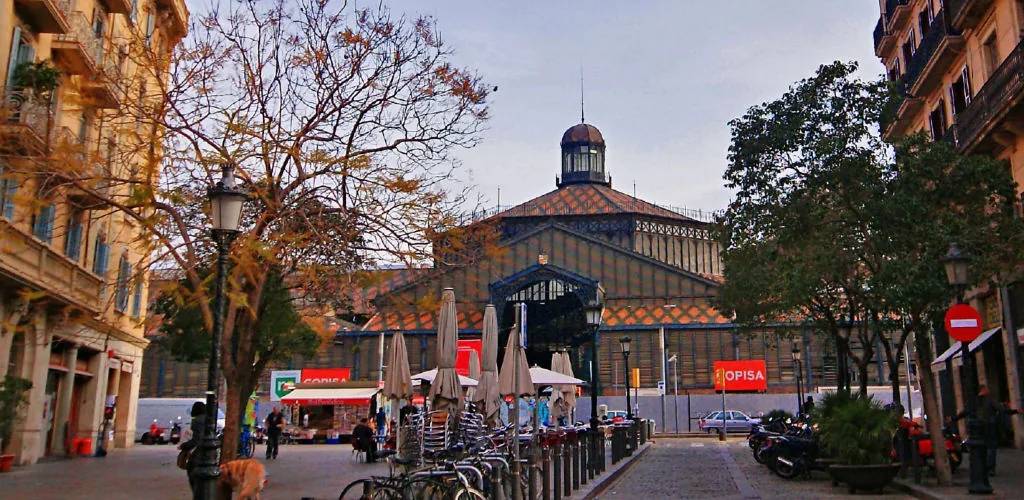
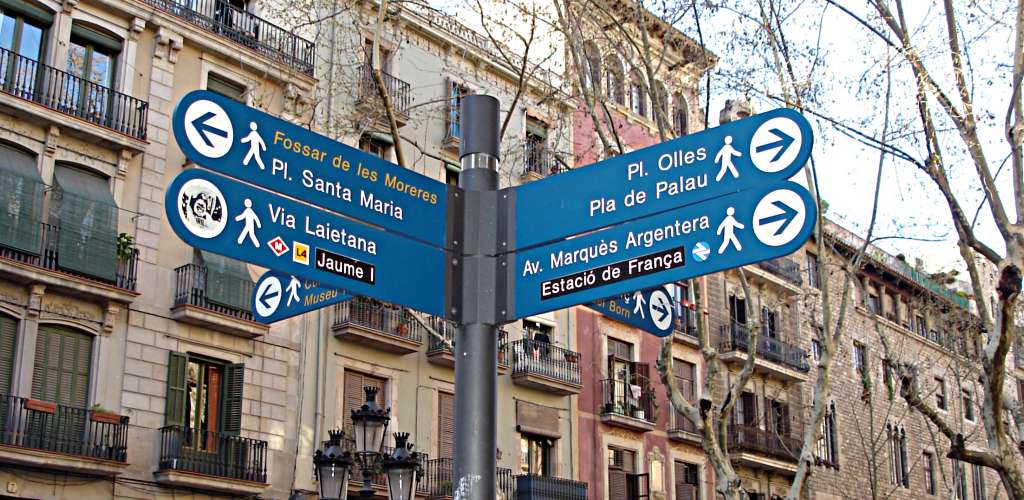
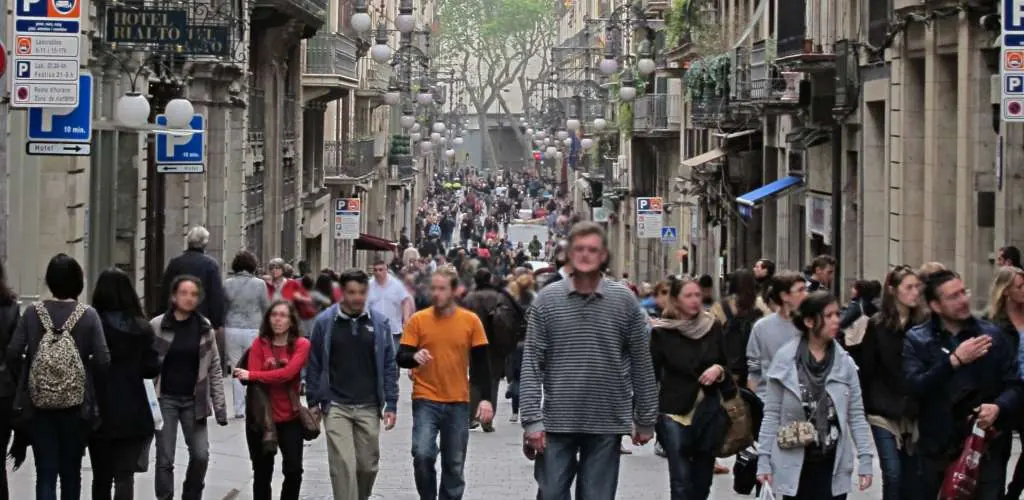
Walking around and just absorbing the rich atmosphere of the district is a vital part of the experience to your visit to El Born, the Heart of Barcelona, and where better than streets that have been rich in history since mediaeval times.
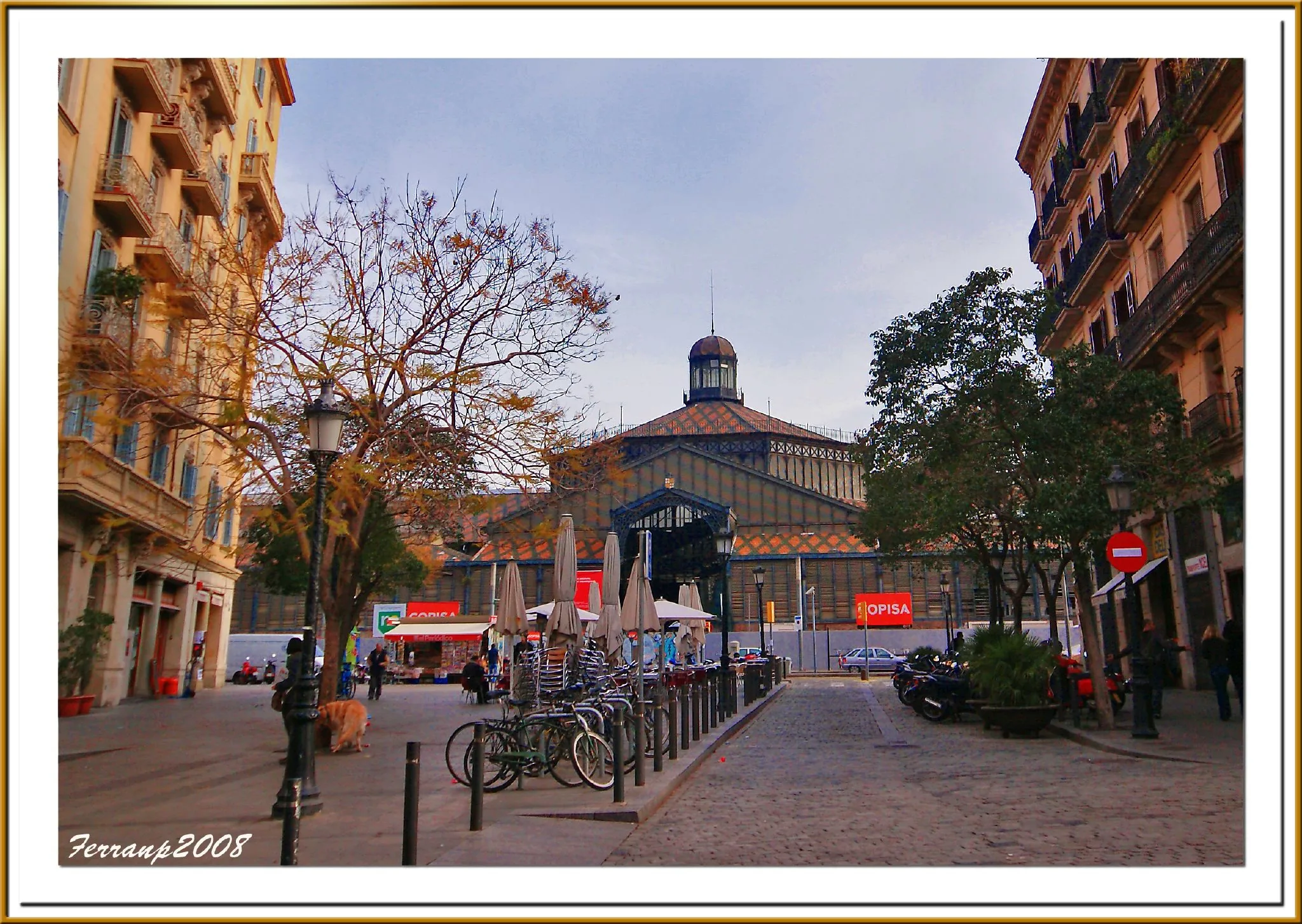
Passeig del Born or "Paseo del Borne", in Castilian, is the wide avenue from the old market to the cathedral and has been in existence as a major route since the days of the Knights in Armor, and in fact those very Knights held their jousting tournaments on horseback along the Passeig during festival times. This is the best place for people watching.
The El Born map and the sights in walking order puts those stops on one plan, with the measured minutes between the avenue, the basilica, the market and the Picasso Museum.
Festa Major del Casc Antic. If you are here in the last week of June the neighbourhood takes over these same streets for its own festival — gegants carried on shoulders, castells built in the squares, a correfoc after dark, and long tables for communal dinners in the open air. The feast day is 29 June. Our Festa Major del Casc Antic guide sets out the festival's fixed points and which afternoon to keep free.
In February the neighbourhood takes centre stage for the city's winter festa major, the Festes de Santa Eulàlia (La Laia): the giants, the Bestiari and the correfoc fill Ciutat Vella, the Bestiari and children's giants are exhibited at El Born CCM, and the Àliga procession of the city eagle closes inside Santa Maria del Mar a few minutes from this spot.
Carrer Montcada is most important as an example of medieval architecture in the district. Starting from the 12th Century Marcus chapel and going as far as the Plaça del Born it is now two streets having been split in in the 19th century. Originally a road from the rich merchant families homes to the then sailing and shipping quarter it has been a road of riches for hundreds of years, and this is reflected in the magnificent buildings. As well as architectural interest this is a street of many interesting shops. Wine, pastry, medicines and others can be bought from shops which have been operating in the same location for hundreds of years.
Museums
The Picasso Museum is held by 5 palaces and can be reached from Carrer Montcada. It contains many of the great arists early works and is a must-see for the real student of art seeking to understand his development before he created his more widely known abstract styles. Beside the art on display a visit to the Museum offers a great opportunity to see inside some of the medieval palaces with grand square and sweeping arches built by skilled Catalonian stone masons of antiquity. Open hours: 10AM to 7PM, Tuesday to Sunday (ticket office closes at 6:30PM). Closed Mondays, including public holidays. Entry fee €15 at the ticket office, €14 online.
The Museu Etnològic i de Cultures del Món now fills the two Montcada palaces at numbers 12 and 14, the Palau del Marquès de Llió and the Palau Nadal. The Palau del Marquès de Llió was the city's textile museum until it moved out in 2008; its collections are now at the Museu del Disseny in Glòries. The permanent exhibition runs to about 530 pieces from Africa, Oceania, Asia and America. Open hours: 10AM to 8PM Tuesday to Sunday and holidays from 1 May to 30 September; 10AM to 7PM Tuesday to Saturday and 10AM to 8PM on Sundays and holidays from 1 October to 30 April. Closed Mondays (except public holidays). Entry fee €5.20, reduced €3.70.
The Chocolate Museum is run by the Confectionery Guild of Barcelona and is targeted at the younger visitors with many special activites arranged. Check their website for details. Open hours: 10AM to 7PM (3PM on Sunday). Entry fee €8.
The Barbier-Mueller Pre-Columbian Art Museum stood in the Palau Nadal, across Carrer Montcada from the Picasso Museum. It closed in September 2012, when its pre-Columbian collection was sold and left Barcelona. The palace is part of the Museu Etnològic i de Cultures del Món site above and is visited on the same ticket.
Churches
The Santa Maria del Mar, is so named because in medieval times the say came all the way up to the outside of this grand building. Still used today as a place of worship it is a must-see in El Born.
One of the oldest buildings in the city the Chapel of Marcus (Capella d'en Marcus) is now only partially formed as walls have been absorbed into neighboring structures. However should be seen as one of the rare examples of 12th century buildings.
More things to do around Barcelona
Looking for more things to do around Barcelona but don't want to spend a fortune on tickets? Check out this great guide to free activites in Barcelona from acouplefortheroad.com. They've reesarched everything from Parks to Public Art, check out their tip on how to get into the Picasso Museum for free!
Visiting in spring? Don't miss Sant Jordi — books and roses in the streets, Barcelona's Day of Books and Roses on 23 April.
Share this El Born Activities Guide:
📧 Get More El Born Activity Ideas
We are not taking newsletter signups yet — there is no weekly email to send you activity ideas today.
🎯 Book Activities & Experiences
Find and book the best activities in El Born and Barcelona:
🎨 El Born Activities Updates
Discover new activities, seasonal events, and insider tips for making the most of your time in El Born Barcelona.